Best Countries to Visit in Europe in 2025: A Complete Guide
Europe continues to be one of the most attractive destinations for travelers. Are you planning a vacation and wondering where to go in Europe?
We have found and analyzed all the most amazing corners of this continent and offer you a list of the best countries in Europe to travel to in 2025. Check out the most interesting sights and resorts, as well as our practical tips and recommendations to help you decide where to travel this year.
Contents
- 1 Top 10 Countries in Europe in 2025 According to Travelers: A Quick Overview
- 2 Croatia: From the Adriatic to UNESCO Heritage
- 3 Czech Republic: A Fairytale of Castles and Culture
- 4 Greece: Where Myth Meets the Mediterranean
- 5 France: From Alpine Peaks to Lavender Fields
- 6 The UK: Where History Meets Highland Majesty
- 7 Italy: The Cradle of Art, Food, and Romance
- 8 Spain: Where Europe Meets the Atlantic and the Mediterranean
- 9 Portugal: The Western Edge of Europe with Island Escapes
- 10 Austria: The Sound of Music and Alpine Majesty
- 11 Netherlands: Innovation, Canals, and Sustainable Living
- 12 Best Countries For Budget Travelers: Romania, Bulgaria, Czech Republic
- 13 Top Destinations For Families with Children: Austria, Slovenia, Portugal
- 14 Great Countries For Nature Lovers and Trekking: Norway, Albania, Switzerland
- 15 How to Plan the Perfect European Vacation: Your Essential Checklist
- 16 FAQ
Top 10 Countries in Europe in 2025 According to Travelers: A Quick Overview
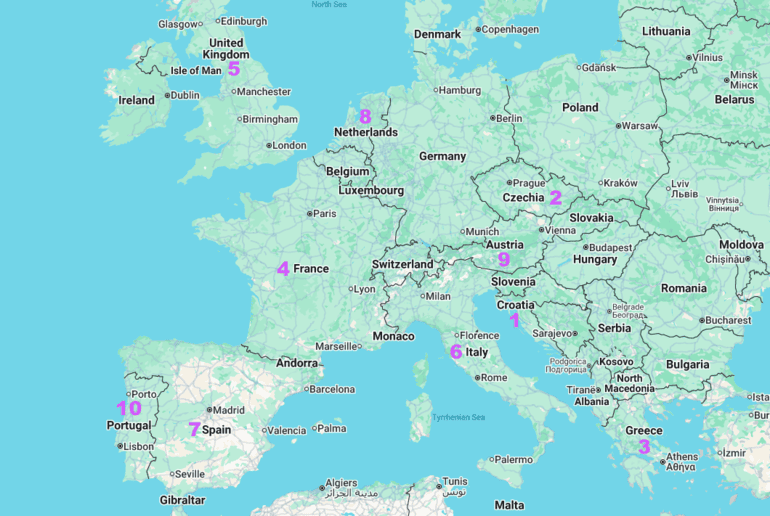
| Destination | Region | Best time | Vacation type | Average bill in a café/EUR | Average hotel price/EUR |
| Croatia | Dubrovnik, Split, Zagreb | May–September | Beach, historical, active | 15–25 | 80–150 |
| Czech Republic | Prague, Český Krumlov | April–October | Cultural, romantic | 10–18 | 70–130 |
| Greece | Athens, Corfu | May–October | Beach, historical | 15–25 | 90–160 |
| France | Provence, Strasbourg | April–June, September | Gastronomic, natural, cultural | 20–40 | 100–200 |
| United Kingdom | London, Bath, Seven Sisters, Scottish Highlands | May–September | Natural, historical, urban | 20–35 | 120–250 |
| Italy | Portofino, Genoa, Alps | April–June, September | Gastronomic, beach, winter | 20–35 | 100–220 |
| Spain | Tenerife, Basque Country | October–April (Tenerife), May–September (Basque Country) | Beach, cultural, natural | 15–25 | 80–150 |
| Netherlands | Rotterdam, Utrecht | April–September | Urban, ecological, cycling | 18–28 | 90–160 |
| Austria | Zell am See, Salzburg, Alps | December–April (skiing), June–September (summer) | Winter, musical, nature | 20–35 | 110–200 |
| Portugal | Porto, Madeira | March–June, September–November | Beach, wine, nature | 15–22 | 70–130 |
Croatia: From the Adriatic to UNESCO Heritage
- Ideal for a family beach vacation and active sports (diving, surfing, hiking), those who love medieval architecture
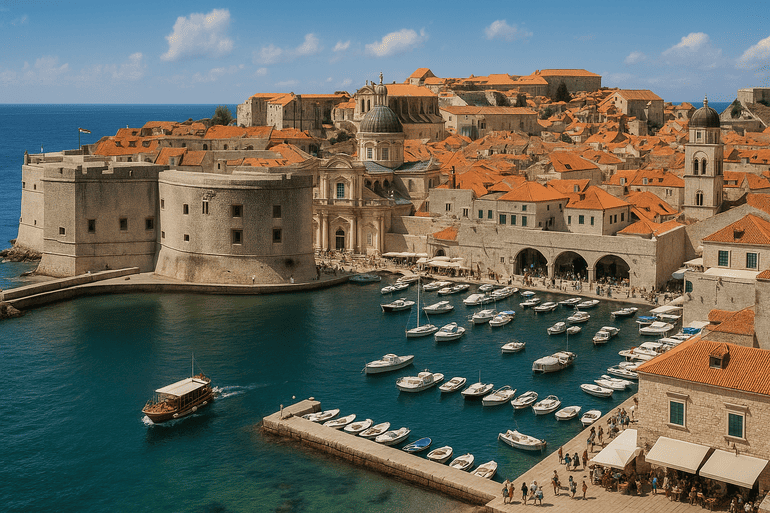
When we looked at the top travel picks for 2025, one name kept popping up — Croatia. At first, it was a little surprising that this destination is still holding strong among Europe’s favorites. But then again, it makes perfect sense.
It has it all: the sparkling Adriatic Sea, charming old towns, and islands too pretty to be real. And do not forget — the country is one of Europe’s leaders when it comes to Blue Flag beaches. That means clean, safe waters and great facilities. This is suitable for beach vacation travelers.
But Croatia isn’t just about sun and sand. For anyone who loves history and architecture, this country is a dream. There are 10 UNESCO World Heritage Sites packed into its borders, including Dubrovnik’s old town, Split with its incredible Diocletian’s Palace, and the stunning Plitvice Lakes National Park. This variety keeps travelers coming back — and explains why Croatia is still in demand.
Popular Destinations:
- Be sure to visit Dubrovnik, the “Pearl of the Adriatic,” a medieval fortress city with stone walls and panoramic views.
- Split is the second-largest city in the country. Here, it is worth visiting the famous palace of the Roman emperor Diocletian, a kind of small tourist town with cafes, souvenir shops, and hotels inside.
- Zagreb is the capital with a rich cultural life. We recommend choosing a museum that would be interesting for you. After visiting it, have lunch in a cozy cafe in the old town of Gradac.

Things to Do:
- Beaches: Golden Horn (Brac) on the island of Brac, Bay of Bone (Split)
- Sailing: Routes through Dalmatia, yacht rental
- Cuisine: Sturgeon, pasta with crab, Delta wine
Key Takeaways:
- Best time to visit: May–September (peak season: July–August)
- Average restaurant bill: €15–25
- Hotel (3–4 stars): €80–150 per night
- Transportation: Buses are the main mode of transportation, with ferries to the islands; car rental is recommended for flexibility.
Regional Cuisine:
- Dalmatia: Sturgeon, ink pasta, Pelinek wine
- Slavonia: Meat dishes, paprikash
- Istria: Truffles, olive oil, Malvasia white wine
Czech Republic: A Fairytale of Castles and Culture
- Best for: romantic getaway, cultural tourism, budget vacation for young people
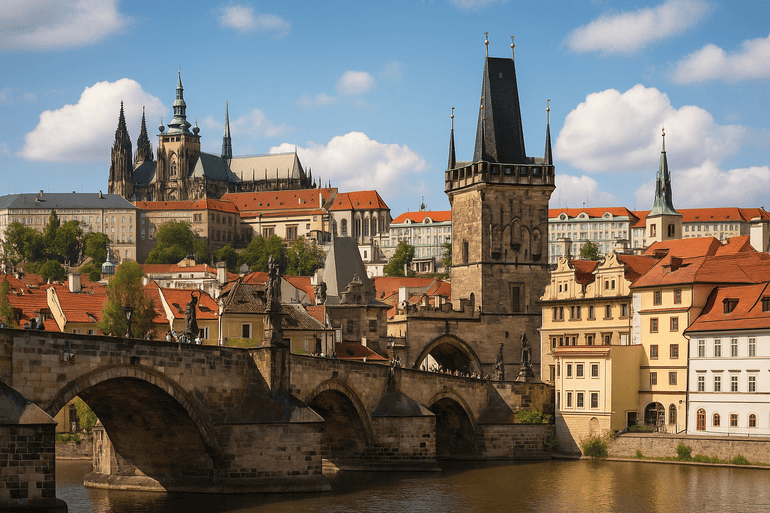
In our opinion, the Czech Republic still remains the best choice for lovers of history and architecture. Especially if you’re fond of Gothic and Baroque styles.
In fact, the Czech Republic is a country where, as many tourists say, every city and village looks like it came straight out of a fairy tale. More to say, Prague, known as the “Golden City,” is a UNESCO World Heritage Site and attracts millions of tourists with its atmosphere.
Main Sights:
- In the capital city of Prague, we encourage visiting Charles Bridge, walking through Prague Castle, and viewing the old town hall with its astronomical clock.
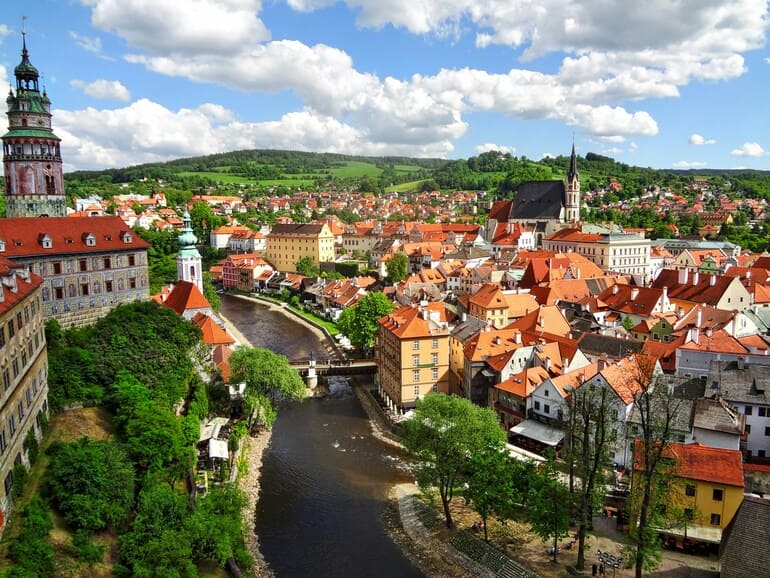
- Then we’d advise you to head south to Český Krumlov. Enjoy this small town in South Bohemia with its castle and picturesque Malá Strana river.
Things to Do
- Visiting castles and caves
- Beer tasting — the Czech Republic is the birthplace of beer (Pilsner Urquell)
- Folklore and music festivals
Key Takeaways:
- Best time to visit: April–October
- Average restaurant bill: €10–18
- Hotel prices: €70–130 per night
- Transport: Excellent public transport links, including metro, trams, buses, and convenient trains
Local Dishes:
- Czech goulash, pork and dumplings with cabbage, oats with cottage cheese
- Beer: Pilsner, Tenger, Krusovice
Greece: Where Myth Meets the Mediterranean
- Suitable for historical tourism, beach vacation, and Mediterranean gastronomic tours
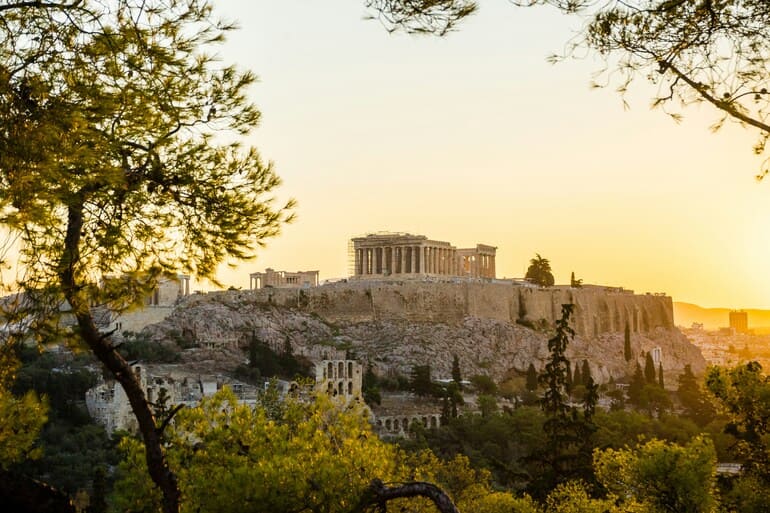
We think you’ll like Greece not just as a beach vacation, but as a journey to the origins. This is the country where philosophy, democracy, and theater were born 2,500 years ago. Standing on the Acropolis in the rays of the setting sun, you realize that this marble has seen Plato, Pericles, and Sophocles. These are not ruins — this is living history.
Greece indeed looks like a living open-air museum: the Parthenon, the monasteries of Meteora, and the Venetian fortresses on Corfu. You will also find the cleanest sea, warm sun, and Blue Flag beaches here.
Popular Spots:
- Head to Athens, the ancient capital with the Parthenon, Agora, and National Archaeological Museum.
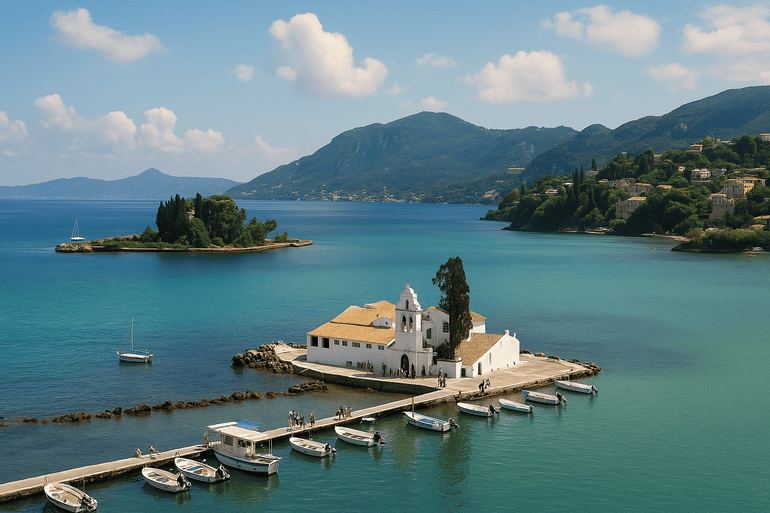
- For the best beach vacation, visit Corfu, an island in the Ionian Sea with Venetian architecture and Blue Flag beaches.
Activities:
- Excursions to ancient ruins
- Ferry tours of the Cyclades and Sporades
- Tasting of meze and olive oil
Key Takeaways:
- The best time to go: May–October
- Average restaurant bill: €15–25
- Hotel prices: €90–160 per night
- Transportation: Ferries, buses, and domestic flights
Local Cuisine:
- Moussaka, souvlaki, feta cheese with honey, Kalamata olives
- Wine: Assyrtiko, Roditis
France: From Alpine Peaks to Lavender Fields
- Perfect for gastronomic tours, nature, and cultural tourism
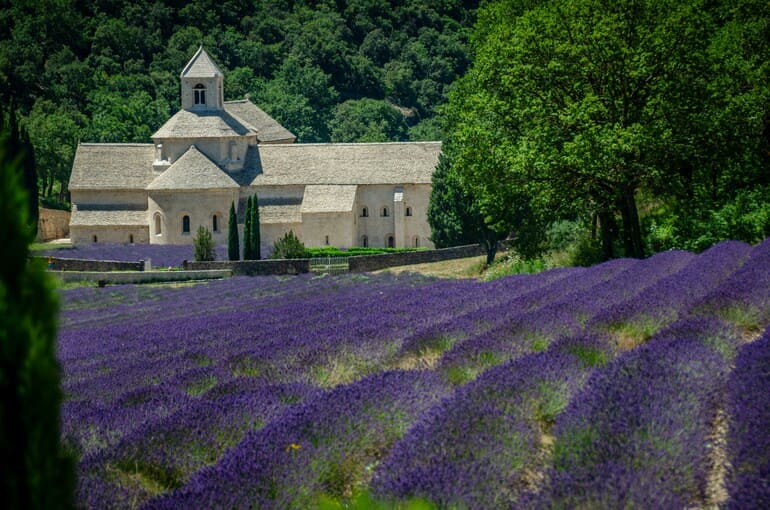
As you probably already know, France is not only about the Eiffel Tower. We advise choosing it for your next vacation, and view its vineyards surrounded by lavender, the streets of medieval Provence, the Gothic architecture of Strasbourg, and much more.
We strongly recommend going to the Verdon, the Alps, and the French Riviera in order to enjoy their natural beauty. And thanks to fast trains and clean roads, it will be easy to travel to the countryside.
You will also find French cuisine, from baguettes to Michelin-starred restaurants, to be exceptional. Especially if you are a foodie.
Key Destinations:
- If you have already been to Paris, head to Provence — a region with lavender fields, charming villages, and the Mediterranean coast.
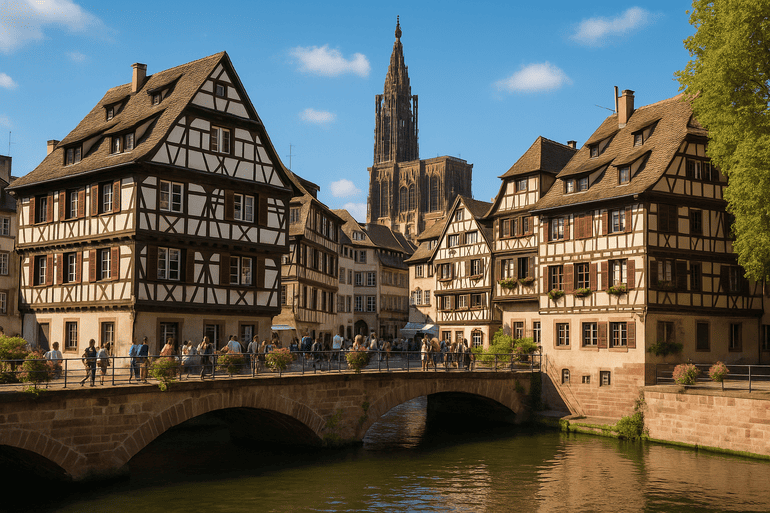
- Another highlight of the country is Strasbourg, the capital of the European Parliament. Be sure to visit the Gothic cathedral and stroll through the streets with their German-French flavor.
Main Attractions:
- Notre-Dame Cathedral in Strasbourg (UNESCO)
- Lavender fields in Verdon
- Parc national des Calanques
Key Takeaways:
- Best time to visit: April–June or September
- Average restaurant bill: €20–40
- Hotel prices: €100–200 per night
- Transport options: TGV trains, buses, and cars
Regional Cuisine:
- Ratatouille, tartiflette, coq au vin, escargot
- Wines: Shiraz, Chablis, Côtes du Rhône
The UK: Where History Meets Highland Majesty
- Great for exploring history, culture, nature, hiking trails, literature, and film locations

If you enjoy contrasts, we highly recommend visiting the UK. Start with London, with its museums and multicultural vibe, then head to the wild beauty of the Scottish Highlands—just three hours away by train.
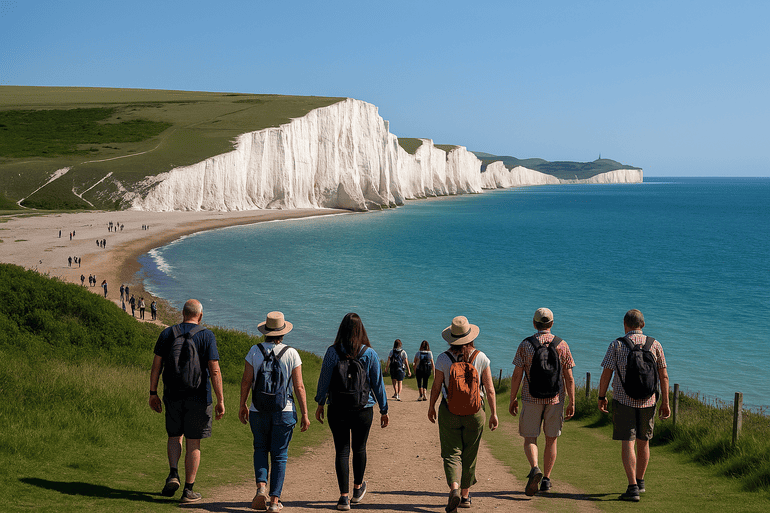
If you prefer the countryside and peace and quiet, choose Bath with its Roman baths, the famous Seven Sisters with their white cliffs, medieval villages like Castle Combe — it’s all like something out of a storybook.
Even the weather is unpredictable, on rainy days, the atmosphere is worth it.
If you want history, nature, and a little magic, like in Harry Potter, the UK is definitely the place to go for your vacation in 2025.
Best Places to Visit:
- If this is your first time in Britain, be sure to visit London first, a cultural center with the British Museum, the Tower of London, and Westminster Abbey (all UNESCO sites).
- Then head to Bath, visit the Roman Baths, and enjoy the Georgian architecture.
- If you think you’ve seen it all, the Seven Sisters will surprise you. The white chalk cliffs on the coast are beautiful at any time of year.
- We also encourage you to visit the Scottish Highlands — wild landscapes, lakes, and castles.
- Medieval villages are also gaining popularity nowadays, such as Castle Combe — a living museum of old England.
Key Takeaways:
- Best time to visit: May–September
- Average restaurant bill: €20–35
- Hotel prices: €120–250 per night
- Transportation options: Railways, buses, and rental cars
Local Cuisine:
- Fish and chips, afternoon tea, haggis, Cornish pasty
- Pubs and ale tastings
Italy: The Cradle of Art, Food, and Romance
- Perfect for gastronomic tourism, beach and yachting holidays, and winter sports
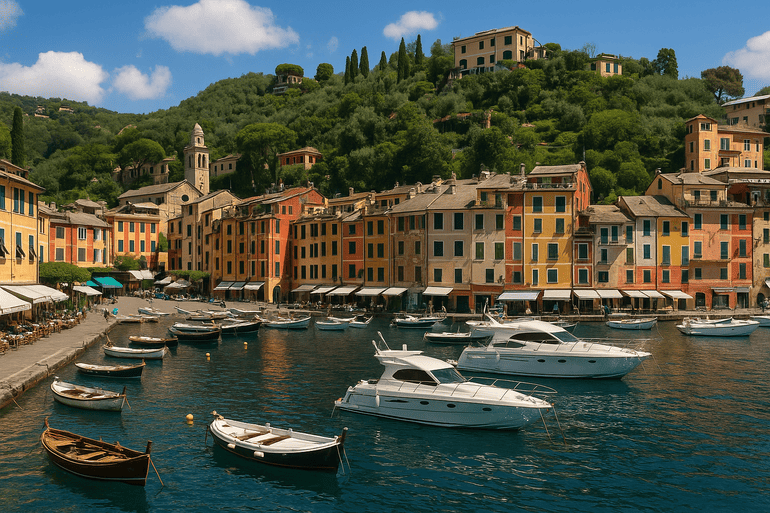
For many travelers, Italy is not a country; it is a mood. We recommend choosing less popular places to visit so as not to spoil the impression. To be more specific, it would be a good idea to start not with Rome, but with Genoa. Enjoy an old port city with a maze of streets and delicious street food.
If you are traveling during the summer season, Portofino is the perfect choice for a great beach vacation. You won’t find such delicious seafood and tranquility anywhere else.
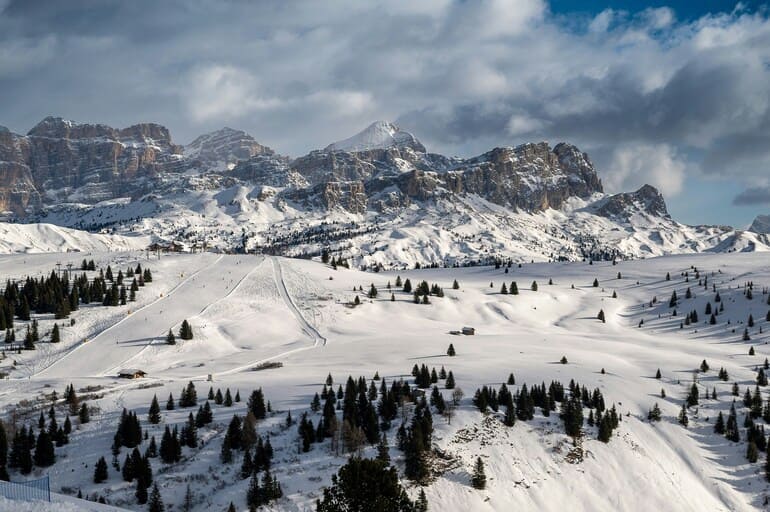
In winter, we advise visiting the Italian Alps — a paradise for skiers. Although summer is also nice there, you can try hiking among the glaciers.
Best Destinations:
- If you love animals, visit Genoa’s magnificent aquarium. Afterwards, walk through the old port with its maze of narrow streets and try some seafood cuisine.
- If you find yourself in Genoa during the summer season, go to the neighboring Portofino. In this Ligurian coast village, you will find the best views and the cleanest sea.
- We also recommend our readers visit Alpine resorts, such as Courmayeur or Cortina d’Ampezzo, which are ideal for winter holidays.
Key Takeaways:
- Visit between April and June or in September, in winter — for skiing
- Average restaurant bill: €20–35
- Hotel prices: €100–220 per night
- Transportation options: Trains (Frecciarossa), buses, and rental cars
Regional Dishes:
- Pesto – from Genoa
- Tagliolini al foie – a specialty of [region, if known]
- Truffles – found in Umbria
- Ossobuco – a classic dish from Milan
Spain: Where Europe Meets the Atlantic and the Mediterranean
- Ideal for beach holidays, gastronomic, cultural, and architectural tourism, ecotourism, and active holidays
Why is Spain still a popular destination in 2025? In our opinion, this is because it’s a mix of many cultures—Muslim, Christian, and Jewish. We recommend visiting not only the mainland but also the islands.
In Tenerife, you will have the chance to enjoy the sunrise from the top of Mount Teide and truly appreciate the vastness of nature.
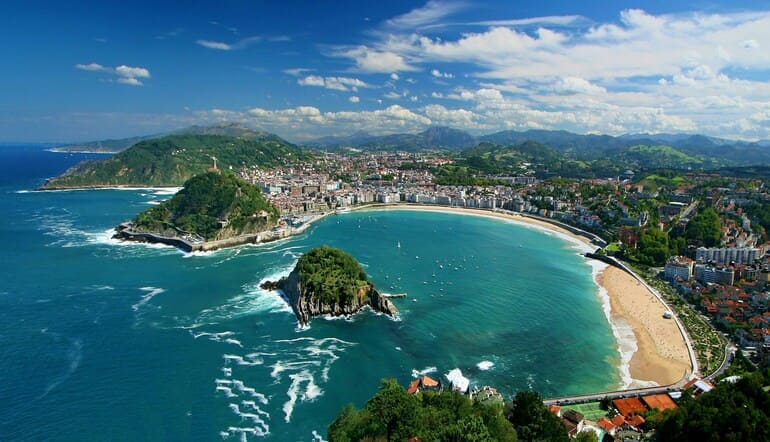
Even if you have already been to Barcelona, Madrid, and the Canary Islands, head north to the Basque Country. In San Sebastian, you can enjoy the views and try pinchos, small seafood tartlets.
And if you’re bored with all that and prefer modern art, in Spain, there’s unique architecture and modernist museums to check out.
Best Places to Go:
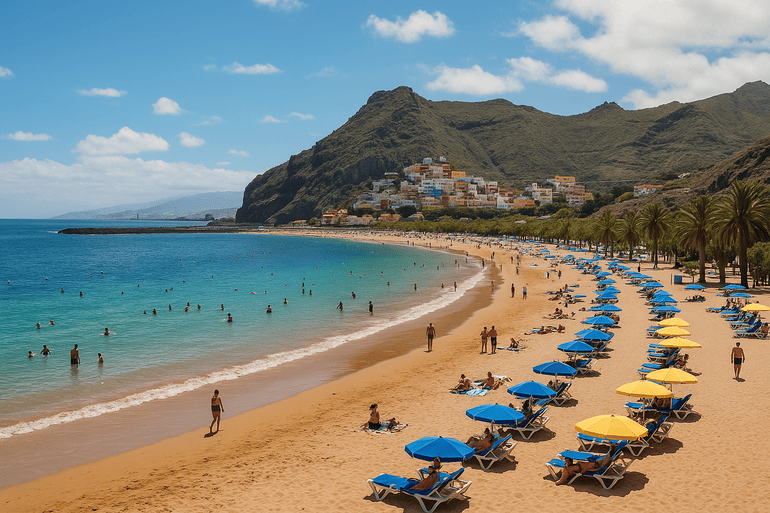
- Our personal editorial choice is Tenerife, the largest of the Canary Islands, located off the coast of Morocco. It is home to Mount Teide, Spain’s highest point and a UNESCO World Heritage Site. The climate is wonderful, with spring-like weather almost all year round.
- Be sure to visit, if you haven’t already, the Basque Country. This is a culturally distinctive region in northern Spain known for its language (Euskara), cuisine (pincho bars), and cities such as San Sebastián and Bilbao, home to the famous Guggenheim Museum.
Activities:
- Relax on the beaches of Los Cristianos or Playa de las Americas (Tenerife)
- Sample pintxos — small dishes served in bars in the Basque Country
- Hike in the Anaga Mountains (Tenerife) or the Pyrenees (Basque Country)
- Attending festivals: La Tomatina, flamenco festivals in Seville
Key Takeaways:
- Best time to visit: Tenerife – October–April (ideal for a winter break), Basque Country – May–September
- Average restaurant bill: €15–25
- Hotel (3–4 stars): €80–150 per night
- Transportation options: Modern airports, buses, city metro systems, and and excellent roads for car rentals
Local Cuisine
- Pincho — Basque tapas: with tuna, cheese, truffles
- Papas arraganeras — Canarian potatoes
- Pai de carne — Basque meat pie
- Wine: Albariño (Basque Country), Malvasía (Tenerife)
Portugal: The Western Edge of Europe with Island Escapes
- Great for beach and ocean holidays, hiking, wine, and city tourism

Like Spain, Portugal is among the leaders in terms of Blue Flag beaches (more than 300), and its historic centers are on the UNESCO list. That is why we have included it in our ranking.
If you are looking for a vacation spot in 2025 that combines accessibility, hospitality, and beauty, choose Porto. Its bridge and port wine cellars only emphasize that this is a city with character.
Have you been to Madeira? Yes, it’s also in Portugal. An island where rain and sun coexist, and tropical gardens grow on cliffs.
Be sure to visit Nazaré to see waves as tall as houses with your own eyes. This is nature at its wildest.
Top Destinations:
- First, visit Porto, the second largest city, famous for its wine cellars (caves) in Vila Nova de Gaia, the Dom Luís Bridge, and Gothic architecture. This is where the famous port wine is produced.
- After, if you haven’t been there yet, head to Madeira. This is the “flowering island” in the Atlantic, covered with lava cliffs, tropical gardens, and lavadas (ancient water channels). The climate is mild all year round.
Main Attractions:
- The historic center of Porto — included in the UNESCO list
- Jerónimos Monastery (Lisbon) — a Manueline masterpiece
- The Douro Valley — the birthplace of port wine, a UNESCO site
- Madeira’s levadas — a system of trails for hiking through mountains and waterfalls
- Peneda-Gerês National Park — the only national park in Portugal

Things to Do:
- Port wine tasting in the cellars of Porto
- Walks along the levadas of Madeira
- Surfing in Nazaré (famous for its giant waves)
- Visit to Cabo da Roca, the westernmost point of Europe
Key Takeaways:
- Best time to travel: for Porto, it’s March–June, September–November, as for Madeira, all year round, especially spring and autumn
- Average restaurant bill: €15–22
- Hotel (3–4 stars): €70–130 per night
- Transportation: Ferries (to Madeira), buses, metro in cities, convenient road network
Local Cuisine:
- Franco-di-galenia — a dish made from cabbage, black sausage, and meat
- Pastéis de Nata — famous Portuguese custard tarts
- Bacalhau — dried cod in 1001 variations
- Wines: Port, Verdes, Baga
Austria: The Sound of Music and Alpine Majesty
- Ideal for winter sports and skiing, music, and cultural tourism
Why is Austria a popular vacation destination in 2025? We think its ecological purity and developed infrastructure make it one of the most comfortable countries for tourists.
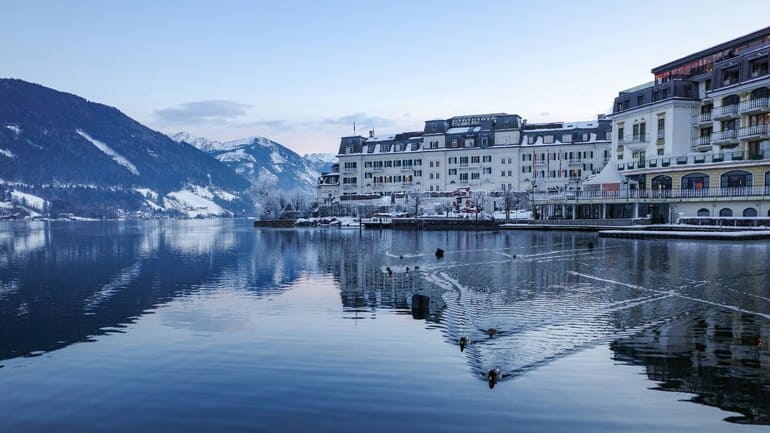
Our choice in Austria is the mountains. Go skiing or snowboarding in Zell am See in winter — the slopes, the lake, the snow, it’s like a fairy tale. In summer, you can also walk through the alpine meadows. And neighboring Salzburg, a city where every stone is part of the culture, is also interesting for its sights.
Top Places to Go:
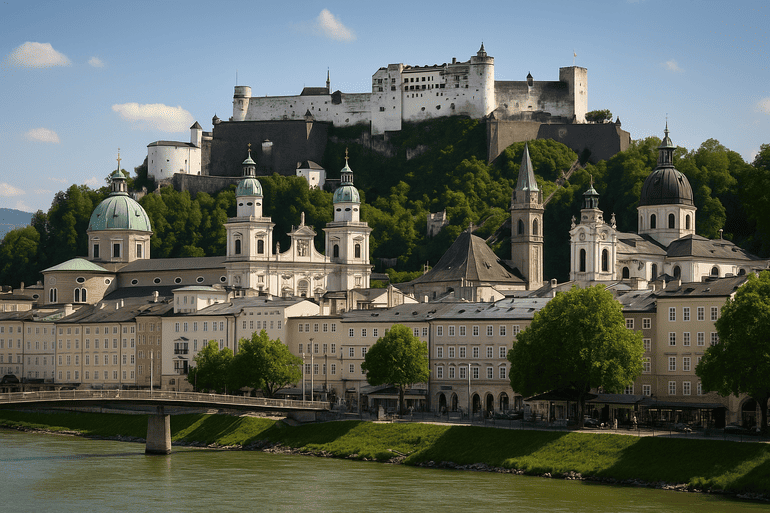
- Head to Salzburg, the birthplace of Mozart, a city with a Gothic cathedral, Hohensalzburg Fortress, and picturesque streets in the old town (a UNESCO World Heritage Site).
- Visit Zell am See, a resort in the Salzburg canton with a lake and ski slopes. It is ideal for both winter and summer vacations.
- Also, in Austria, you can enjoy the best Alpine resorts in Europe: Kitzbühel, St. Anton, and Lech.
Things to Do:
- Skiing in Kitzbühel or Zell am See
- Visiting the Salzburg Festival (music, opera)
- Walking through alpine meadows and lakes
- Relaxing in thermal springs (e.g., in Bad Gastein)
Key Takeaways:
- It’s better to visit in winter (December–April for skiing), or in summer — June–September for hiking, lakes.
- Average restaurant bill: €20–35
- Hotel (3–4 stars): €110–200 per night
- Transportation: Efficient railway network, buses, and convenient car rental
Regional Dishes:
- Viennese schnitzel
- Apfelstrudel — apple pie
- Tyrolean sausages and cheese
Netherlands: Innovation, Canals, and Sustainable Living
- Best for urban and museum tourism
Tourists are traveling to the Netherlands in 2025 to experience firsthand its innovations, forward-thinking architecture, tolerance, and commitment to sustainable development.
Indeed, where else in the world is the bicycle more important than the car? And in terms of architecture, who else thinks about tomorrow in this way?
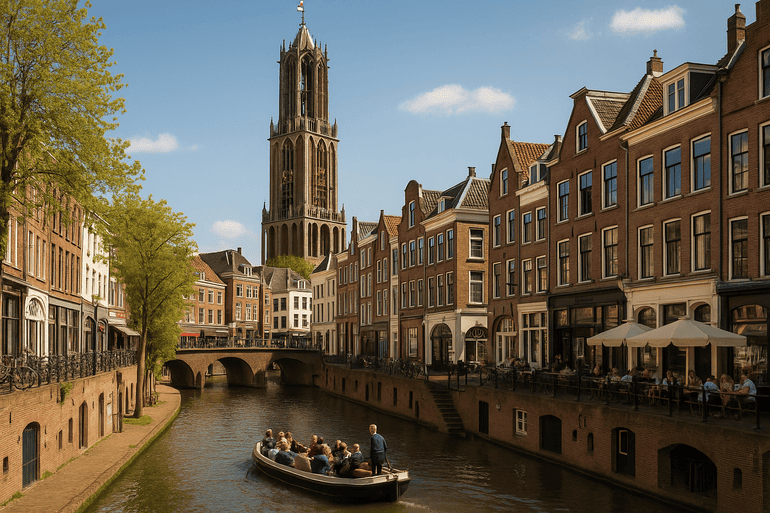
We recommend visiting Rotterdam. It will definitely impress you: a city of the future that rose from the ruins. Utrecht, on the other hand, will charm you with its canals and floating café boats.
In short, if you believe in sustainability and progress, the Netherlands will inspire you.
Interesting Destinations:
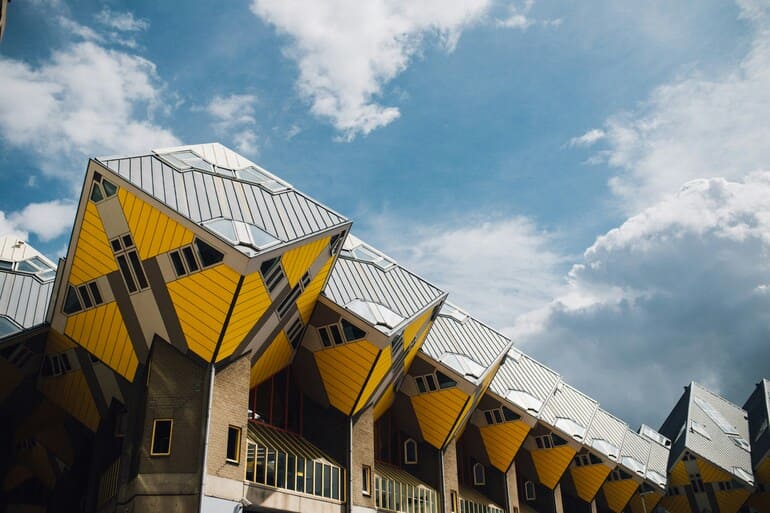
- Instead of Amsterdam with its crowds of tourists, head to Rotterdam, the most modern city in the Netherlands, known as the “city of 21st-century architecture.” Here you will find the Market Hall, the Cube Houses, and the Erasmus Bridge.
- Utrecht is a university city with picturesque canals, where instead of embankments, there are cafes right on floating platforms. In Utrecht, be sure to take a canoe and float along the canals to appreciate the beauty of the city from the water.
Main Sights:
- Amsterdam’s canals — a UNESCO World Heritage Site
- Windmills in Kinderdijk — a UNESCO World Heritage Site
- Prinsentijl Ceramics Museum (Delft)
- Keukenhof Park — the world’s largest flower park
- New water infrastructure (dams, floating houses)
Things to Do:
- Cycling along the canals and dunes
- Visiting museums: Rijksmuseum, Van Gogh Museum
- Walking through Keukenhof (spring)
- Boating along the canals of Utrecht
Key Takeaways:
- Best time to visit: April–September (spring–fall)
- Average restaurant bill: €18–28
- Hotel (3–4 stars): €90–160 per night
- Transportation: Bicycles, trams, metro (in Amsterdam and Rotterdam), trains
Local Cuisine:
- Stroopwafel — fried herring
- Bitterballen — fried meatballs
- Pannenkoeken — Dutch pancakes
- Gouda cheese, Edam cheese
Best Countries For Budget Travelers: Romania, Bulgaria, Czech Republic
If you like maximum experiences at minimum cost, take a look at Eastern and Central Europe.
Romania is the discovery of 2025. Many tourists go to Transylvania for Dracula’s castle, but stay for the wild nature of the Carpathians, medieval towns like Brasov, and wine cellars.
And what about prices? Well, I have a pleasant surprise for you: dinner at a descent restaurant costs around €8–12, and a night in a cozy hotel starts at €40.
We also recommend checking out Bulgaria, especially the coast near Nessebar and Pomorie. Here you will find the Black Sea, ancient ruins, and Blue Flag beaches for next to nothing. And yes, Sofia has excellent local beer for €1.50.
In addition, the Czech Republic remains a budget destination in 2025. Although Prague is beautiful and expensive, there are also Olomouc, Brno, and Český Krumlov, which have almost the same atmosphere but are half the price.
As a result, the abovementioned countries are not yet overrun by mass tourism in 2025 but already have good infrastructure. You get Europe with soul and without overpaying.
Top Destinations For Families with Children: Austria, Slovenia, Portugal
Traveling with children is not just a trip. It involves logistics, patience, and finding a balance between “I’m interested” and “I’m not bored.” Unfortunately, not every country can handle this.
Our number one choice is Austria. Why? It has impeccable ski resorts, and in Zell am See and Mayrhofen there are children’s ski schools and snow parks. Summer is also interesting: slides, cable cars, swimming in lakes with beaches and entertainment. And most importantly, it’s safe and clean here.
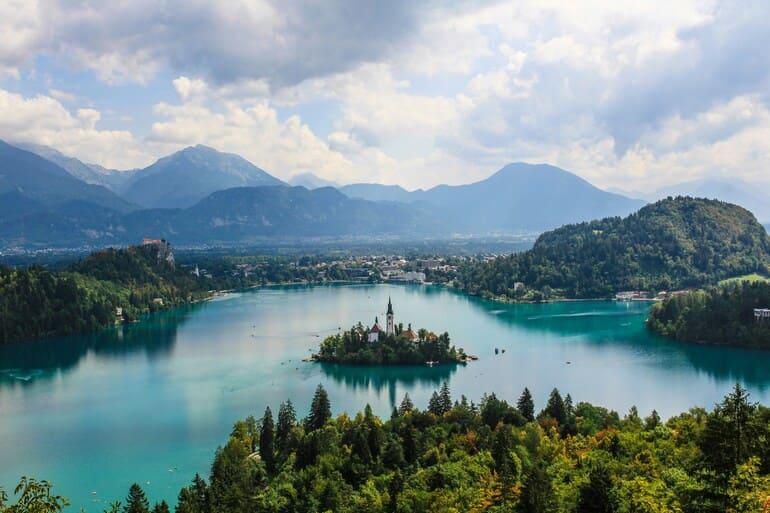
We also recommend Slovenia—small but perfect. Children will love Bled—a lake with a castle, boats, and bike paths. In Ljubljana, children can ride the tram for free, and the parks have lots of fountains, play areas, and cafes with children’s menus. And all this is just a 2-hour drive from Italy or Austria.
Portugal, especially the Algarve, offers beaches with gentle access to the sea, water parks, and dolphinariums. You can rent a house with a kitchen for the price of a hotel room in Italy. Plus, the climate is warm almost all year round.
In our opinion, if you want your children to have fun and you want peace of mind, choose countries where the infrastructure is family-friendly. These three are the best in 2025.
Great Countries For Nature Lovers and Trekking: Norway, Albania, Switzerland
If you travel not for beautiful pictures on social media, but for wild nature, here are the European countries that are ideal for active recreation in 2025.
We choose Norway for its fjords, glaciers, and polar nights. And this country is still unrivaled. For example, the Pulpit Rock (Preikestolen) trail is an 8 km climb that offers an amazing view of the Lysefjord.
Albania is our top recommendation for 2025. Many people arrive with doubts, but leave inspired. And indeed, there is much to enjoy here. Take a walk along the Koridon Trail — 7 days through the mountains, through ancient villages, with views of the Adriatic. Or visit the town of Berat, “the city of a hundred windows”, a UNESCO World Heritage Site.
What about a beach vacation? The beaches in Tirana are like those in Croatia, but without the crowds. And all this for a third of the price. Isn’t it the perfect country for a summer vacation?
We also recommend Switzerland—it’s expensive, but worth every euro. You can cycle along the Roman road Via Claudia Augusta, or spend the night in alpine huts. And the mountains, lakes, and cows grazing in the meadows — it all looks like a fairy tale.
We advise choosing these countries if you are tired of cities. When you need air, silence, and space, these countries offer not just landscapes — they offer a sense of freedom.
How to Plan the Perfect European Vacation: Your Essential Checklist
After evaluating feedback from experienced travelers, we came to the conclusion that a clear checklist is necessary for organizing a trip. It helps to avoid stress, save money, and get the most out of your experience. We have prepared it for you:
- Determine the purpose and style of your trip (1–2 weeks before booking)
- Choose the time and season
- Check your documents (2–3 months in advance)
- Book transportation and accommodation (1–2 months in advance)
- Create a flexible itinerary (1–2 months in advance)
- Prepare money and bank cards (2 weeks before)
- Pack your suitcase according to the “less is more” principle (3–5 days before)
- Save copies of your documents in the cloud and set up communication on your smartphone
FAQ
Which Country in Europe is the Safest for Tourists in 2025?
We believe that Iceland will remain the safest country in Europe for tourists in 2025. Many tourists who traveled along its ring road this year have confirmed this. We have studied tourist reviews of Iceland and are ready to recommend it.
The crime rate here is almost zero, the locals are genuinely friendly, and the tourist infrastructure is well thought out. We would also like to note that Iceland is politically stable, environmentally clean, and ideal for independent travel.
How Much Does a Week-Long Trip to Europe Cost on Average?
The average cost of a week-long trip to Europe in 2025 depends on the country and travel style. We read many reviews online and came to the conclusion that two people can get by on €1,200–2,000 if they don’t travel during peak season.
In budget countries such as Romania or Bulgaria, according to travelers, you can spend around €800–1200: cheap hotels, local food, and public transport. In central destinations — the Czech Republic, Austria, Portugal — it’s already €1300–1700. And if you choose France, Italy, or Switzerland, especially with a visit to Paris or Venice, you should budget €2000 and above.
To save money, we recommend flying with low-cost airlines, booking accommodation a month in advance, and eating where the locals eat — this way you can save up to 30% without compromising on your experience.
What Documents are Needed to Enter the Schengen Countries?
To enter Schengen countries in 2025, you will need: a passport (valid for at least 3 months after departure), a visa or ETIAS authorization (if introduced by that time), a hotel reservation confirmation or invitation, return tickets, and proof of financial solvency (usually €50–100 per person per day). Tourists usually apply for a Schengen visa through a visa center. The process takes up to 7 days and requires insurance, a statement from your employer, and a questionnaire.
Starting in 2025, citizens of many countries (including the US, Canada, and the UK) may need to obtain an ETIAS online authorization in advance, similar to the US ESTA. We recommend checking the requirements in advance on the official embassy website to avoid being turned away at the border.
 French
 German
 Spanish
 Polish
 Indonesian
 Finnish
Reviews