10 Types of Trading Every Beginner Should Know
Picking a type of trading before you understand what you are buying and selling is an expensive way to learn. Currencies, shares, cryptocurrencies, commodities, indices, and derivatives are all tradable on time frames that vary from minutes to weeks. Beginners tend to assume those options are interchangeable. They are not. Each carries its own risks and asks for different levels of time, knowledge, and capital. Knowing the differences is what tells you where to start and gives you a clearer sense of what suits your goals, your risk tolerance, and the experience you actually have.
Source: Pexels
1. Forex Trading
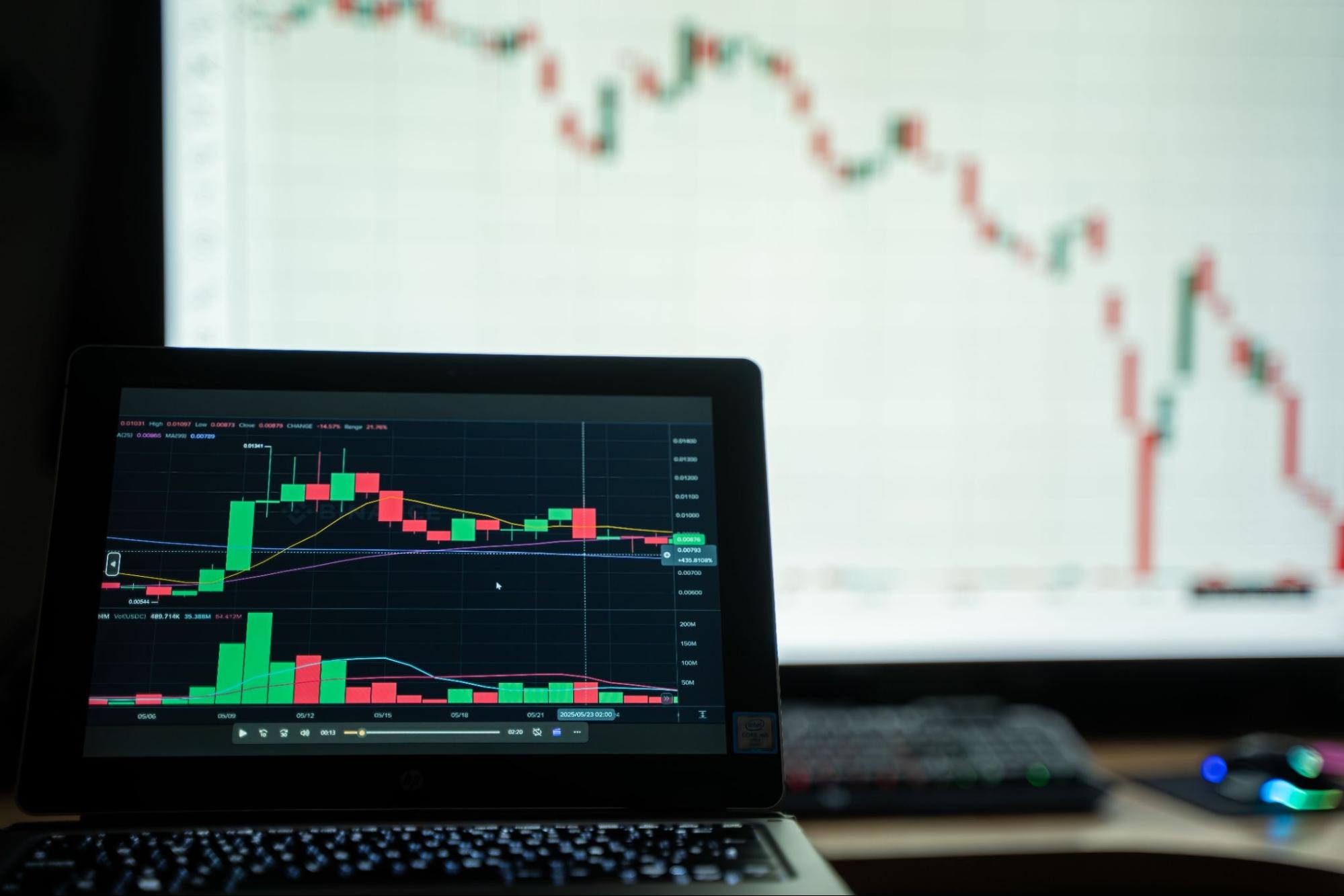
Forex trading is the business of swapping one currency for another, always through pairs. If you are buying the EUR/USD, for example, you are backing the euro against the US dollar. EUR/USD and USD/JPY count as major pairs, while EUR/GBP falls into the cross or minor category.
The appeal of this type of trading is a deeply liquid market running across global sessions all business week. But leverage is where beginners get hurt, since it amplifies losses exactly as it does gains. So, before settling on a forex trading platform, check its regulation, fees, available pairs, and leverage terms.
2. Stock Trading
Buying and selling shares in listed companies is basically what stock trading is about. But there’s a difference between trading and investing. Investing usually means holding for years and letting growth do the work. Trading leans on shorter price moves, and a position might last ten minutes or most of a week. Either way, company performance, earnings, industry news, and market conditions all move the price, so consider all of them before you take a position.
Source: Pexels
3. Cryptocurrency Trading
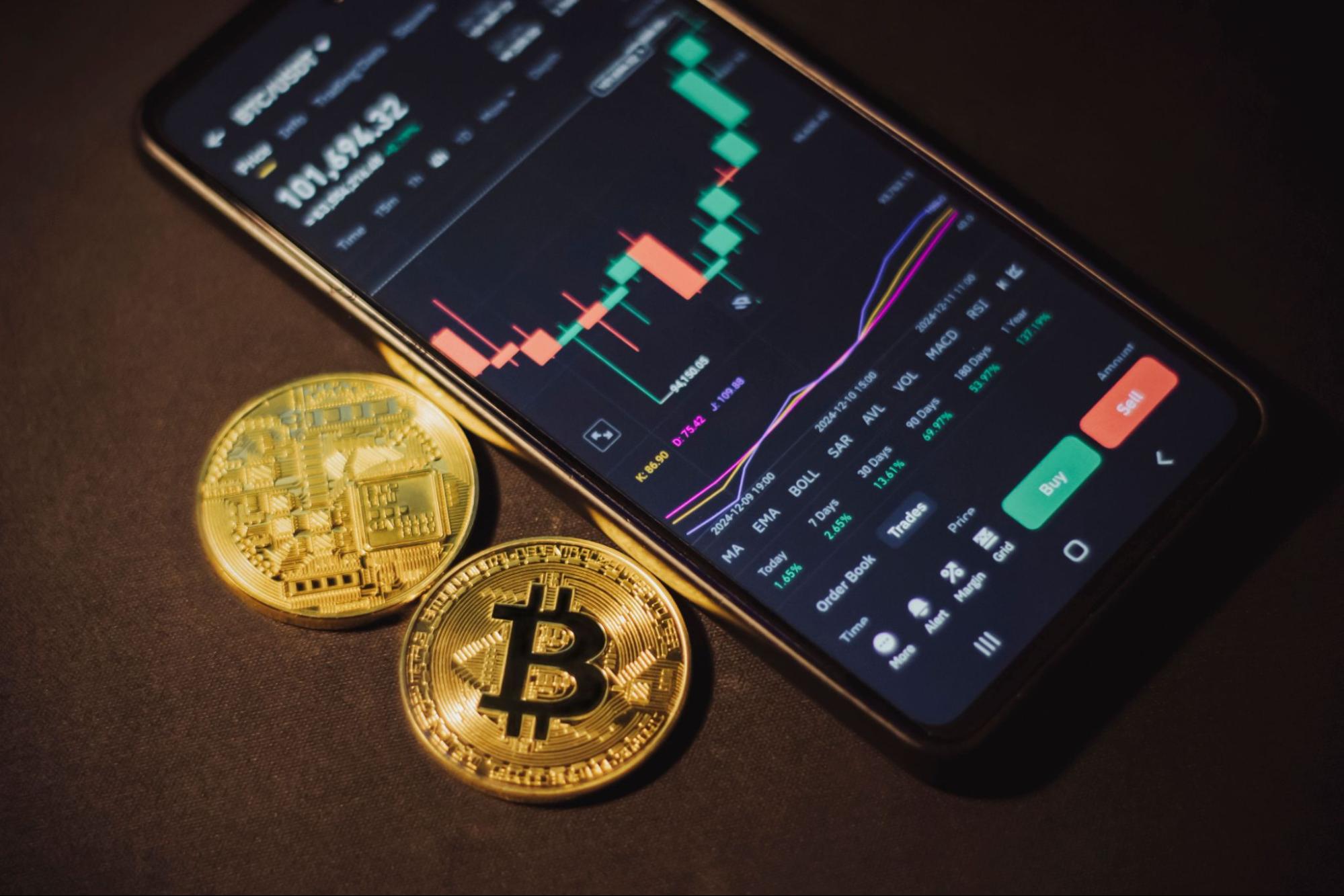
Crypto covers digital assets such as Bitcoin and Ethereum. Prices can change drastically in a short space of time, which is both the attraction and the problem, since the same volatility that creates an opening can go against you just as quickly. Many crypto markets also run around the clock, unlike traditional exchanges.
You should know what you are buying and what moves it. Holding Bitcoin for several years and trading in and out of it for short-term gains are two different activities that happen to involve the same asset.
4. CFD Trading
A Contract for Difference lets you speculate on a price rising or falling without owning the asset behind it. Providers offer CFDs on stocks, forex, indices and commodities. Leverage is again the part to get right. A relatively small deposit can control a much larger position, and the magnification runs in both directions.
Costs add up too, usually through spreads, commissions or overnight financing, depending on the provider and the position. For a closer look at the mechanics, this guide to CFD trading for beginners covers what to weigh up before trading these instruments.
5. Index Trading
An index tracks a group of companies or a slice of a market, the S&P 500, Nasdaq-100 and FTSE 100 being the familiar names. Trading an index gives you exposure to a broader move rather than one company’s shares. For example, instead of trying to predict whether one technology stock will rise, you could trade an index representing multiple large technology companies. Indices can be accessed through different financial instruments, including CFDs, so you still need to understand the specific instrument you are using.
6. Commodity Trading
Gold, oil, and natural gas are major examples of commodities used in this type of trading. Their prices respond to supply and demand, inflation, wider economic conditions, and whatever is happening geopolitically. But you don’t have to physically own the commodity. Instead, you use a financial instrument designed to provide exposure to its price movements. This distinction matters because the risks, costs, and obligations associated with trading a commodity-based instrument can differ significantly from actually owning the commodity.
7. Options Trading
An option is a contract giving you the right, without the obligation, to buy or sell an underlying asset at a set strike price, subject to the type of option and the terms of the contract. Broadly, a call concerns the right to buy and a put the right to sell.
There are more moving parts than that. Strike price, expiration date, and premium (the price you pay for the option) all matter, and the value shifts with the underlying asset and with time running down towards expiry. That layering makes options harder to grasp than buying a share.
Source: Pexels
8. Short-Term or Day Trading
Day trading means opening and closing positions inside a short window, usually without carrying anything overnight. You will find it in stocks, forex, crypto, and CFDs. Pace is the defining feature, so you need entry rules, exit rules, and a way of capping the damage when a trade goes against you. Trading often means paying often, but more trades do not mean more chances to make money. You need discipline and strategy.
9. Swing Trading
Swing traders hold for days or weeks to capture a meaningful price move, while sitting between short-term trading and long-term investing.
You might use technical analysis to study price patterns and market momentum, while fundamental analysis can help you understand the factors affecting an asset’s value. Swing trading may suit you if you want to trade shorter-term movements but cannot spend the entire day watching charts. You still need to account for the possibility of prices moving against you while you hold the position.
10. Social or Copy Trading
Copy trading mirrors another trader’s positions automatically through a platform. It can be a useful window into how a strategy plays out, but nothing about it removes risk. What worked before carries no promise of working again, and you may be copying leverage and losses you do not fully understand. You need to look past the headline returns. Check the risk level, how often they trade, which markets they are in, the size of past drawdowns, and how much of your own capital would be exposed.
How Should Beginners Choose a Type of Trading?
Start with your available capital, risk tolerance, time commitment, knowledge, and preferred markets. Your goal matters too. Someone looking for short-term trading opportunities has different requirements from someone who wants to build wealth over many years.
You should also research the provider before opening an account. Check its regulatory status, fees, available instruments, withdrawal conditions, and reputation. Above all, know how the instrument works and what a bad outcome costs you before real money goes in. A demo account is a reasonable way to get familiar with an unfamiliar platform without putting capital at risk on day one.
Conclusion
No single type of trading is best for every beginner. Learn how your chosen market and instrument work, learn where the losses come from, and decide in advance how you will manage that risk. Research the provider, practise where you can, and use only money you can genuinely afford to lose. Chasing the trade with the fattest promised return is the wrong target. Understanding what you are doing well enough to make informed decisions is the right one.
 French
 German
 Spanish
 Polish
 Indonesian
 Finnish
Reviews